

Addiction Is a Circuit Problem. Circuits Can Be Retrained.
Nicotine doesn't expose a weakness in you. It physically alters your brain's reward architecture. Understanding that mechanism is the first step toward reversing it.
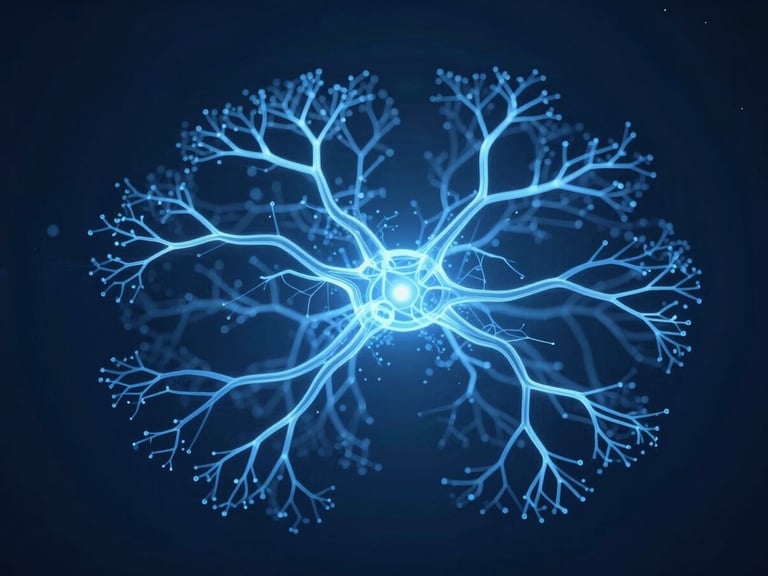
How Nicotine Hijacks the Dopamine Loop
Each dose of nicotine floods the nucleus accumbens with dopamine—far beyond natural reward levels. Repeated exposure compresses baseline dopamine production, so ordinary moments feel flat without it.
This is measurable, structural change—not a character flaw. Brain imaging shows altered prefrontal connectivity within weeks of regular use. The same imaging shows it reverses with the right protocol.


Rewiring Uses the Same Circuits Addiction Hijacked
The ByeByeVice protocol targets the nucleus accumbens and prefrontal cortex through daily 5-minute neurotraining sessions—precision-timed breathing, attention anchoring, and dopamine-reset cues designed to interrupt and replace the craving loop.
A craving is a training signal. Each episode is the circuit requesting its old pattern—and an opportunity to deliver a new one. Repeated practice measurably shifts baseline dopamine sensitivity over four to eight weeks.